Heroes

“In the heat of battle, heroes emerge, sometimes from the most unlikely of sources.” – Brian Herbert

I am the only person that I know who has Parkinson’s Disease. I do not share this with a relative, a friend, or even an acquaintance. There is nobody in my circle that can truly comprehend what this is like to live with or where this is going to go.

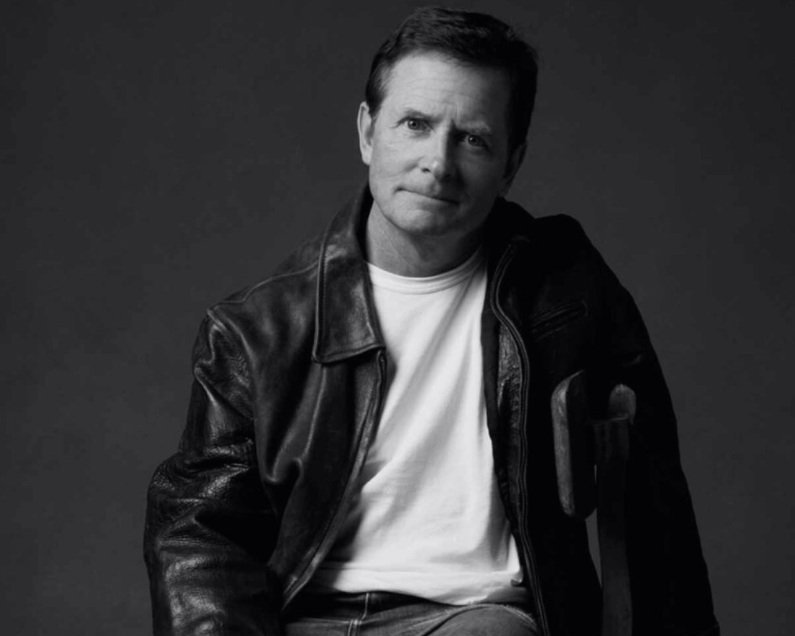
One of the very first things that I did following diagnosis was google Michael J. Fox. I read his books; Lucky Man, Always Looking Up, A Funny Thing Happened on the Way to the Future. His writing is honest, funny, and relatable. I can’t imagine what the PD world looked like before he brought it to the forefront. He has since emerged as a heroic person in my life, one who I follow and admire. But he’s a pretty busy guy so this relationship is understandably a one-way thing of course!

Then, I discovered that facebook and twitter had Parkinson’s groups. Forums for people like me to engage in discussions about the ridiculous, and seemingly endless, number of issues involved with PD. Now I have connections, all over the world, that can answer questions, suggest solutions, share their struggles, challenges, and accomplishments, and offer knowledgable and empathetic support.

I follow their personal blogs – just like this one – and learn about their journeys. I read their posts and offer support where I can. I hear about their good days, and their not so good days. And they do the same for me. These connections have made my PD world smaller and more intimate.

In fact, my heroes have come to be PWP (people with Parkinson’s) that I’ve gotten to know through social media. They are people who build awareness of PD through their willingness to share the good, the bad, and the ugly. They are the super cool neurologists and researchers that are forging a path to creating a better life with PD and eventually a life without PD at all. I cannot even begin to tell you the excitement that I feel when I get ‘followed’, ‘friended’, or ‘liked’ by a neurologist, or an author of a book that I have read, or one of the many ‘famous’ PWP that I have come to know. These people have become like rockstars in my world!

Yesterday I watched live as Jimmy Choi attempted to break another Guinness World Record while raising funds for Team Fox. Last week I finished reading Ending Parkinson’s Disease by Dr. Ray Dorsey, Dr. Todd Sherer, Dr. Michael Okun, and Dr. Bastiaan Bloem. This morning I joined in on some conversations on SLTPD (Start Living Today PD) on Facebook. This afternoon I will try to listen in on @djclaire, from Twitter, on @radioparkies in the UK (but the time difference is a killer).

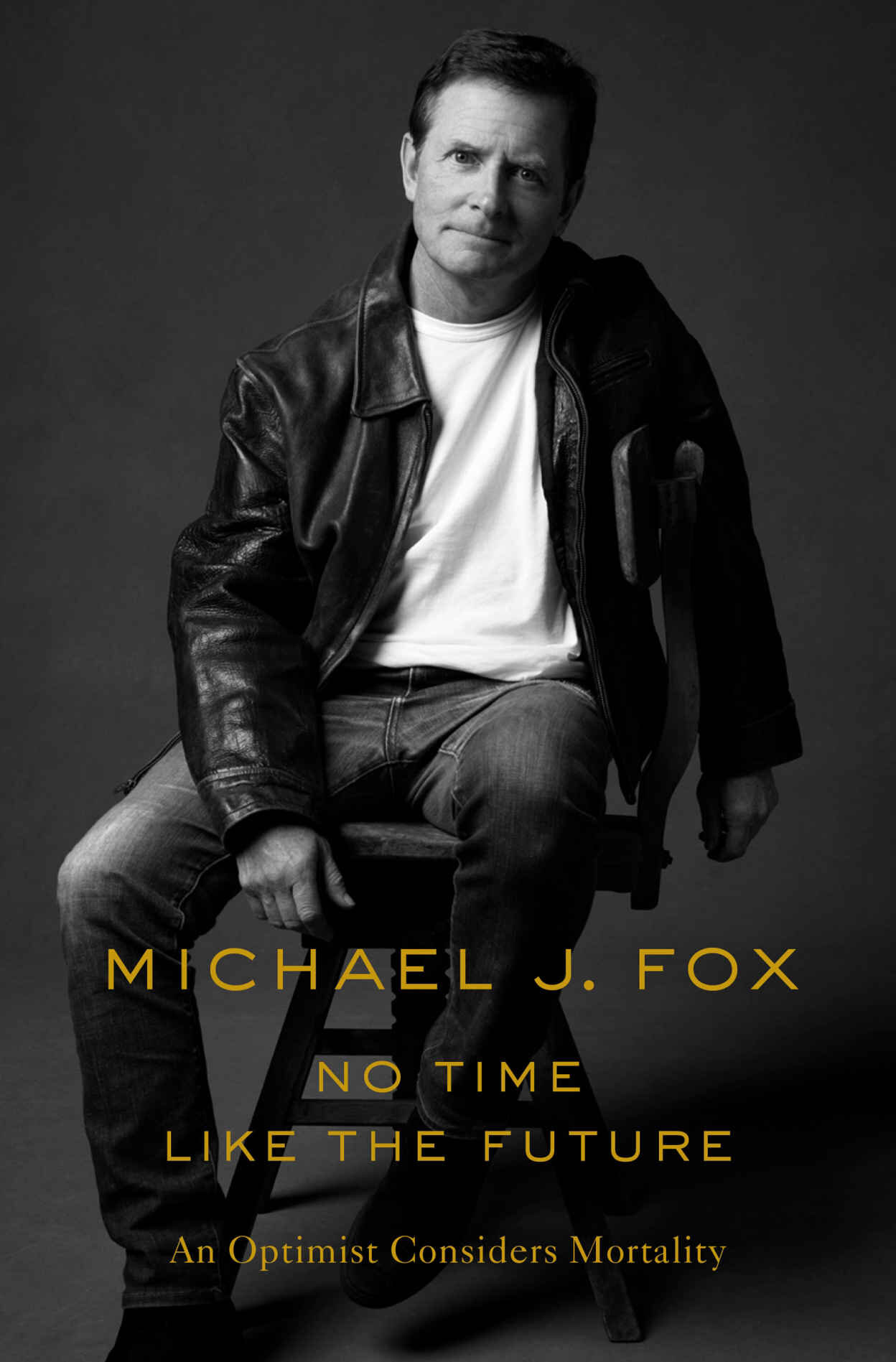
And tomorrow I look forward, with tremendous anticipation, to receiving my copy of Michael J. Fox’s newest book; No Time Like the Future.
654106874.jpg


An Apple a Day

And that’s about how long it takes to peel one!

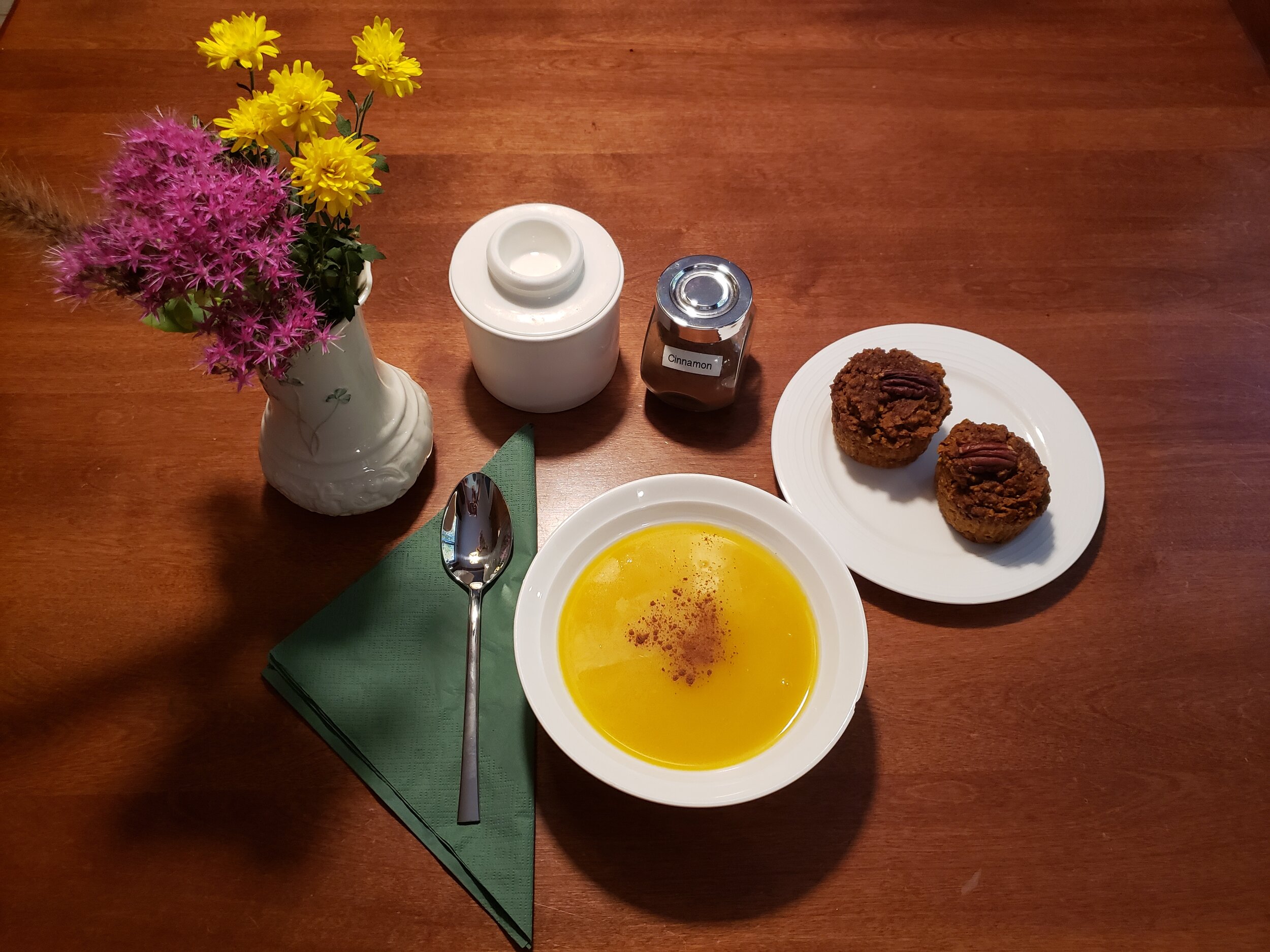
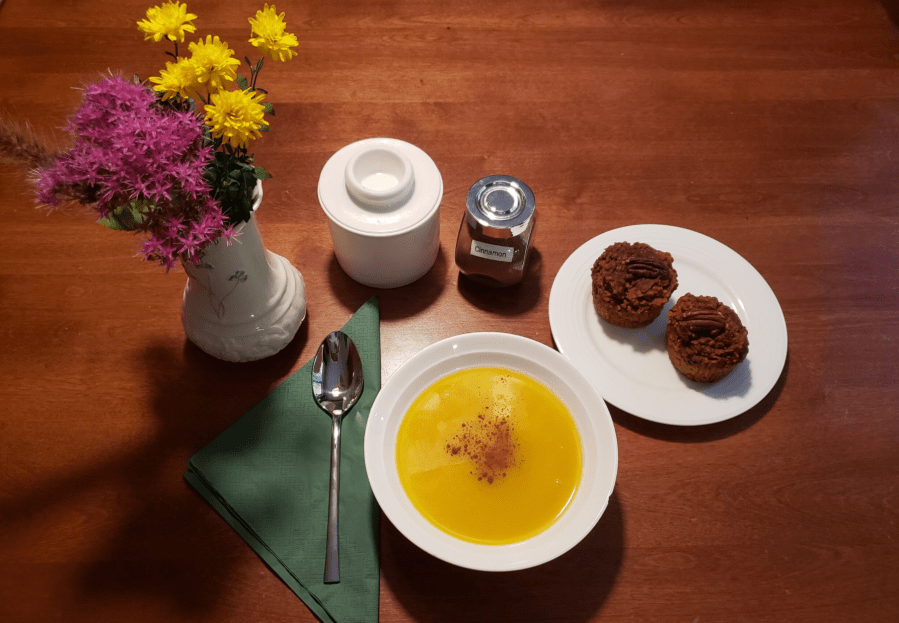
With this beautiful season comes trips to the Pumpkin Patch and the Apple Orchard and yummy fall baking. Two favourite recipes I like to make at this time of year are Roasted Squash Soup and Pumpkin Spice Muffins. Both of these call for peeled apples.

While peeling an apple is something most people do mindlessly and effortlessly, for me, this is a most dreaded task.

Parkinson’s Disease is a movement disorder that can impact coordination. Some activities that require my hands to do two different things at the same time (ie. peeling an apple) are extremely frustrating to do. It is both a physical challenge and a mental challenge. My brain has to focus intently on making my fingers/hands move correctly and my whole body seems to get involved in supporting the muscles in my hands! My shoulders, neck & back are exhausted by the time I’ve finished the job.

Isn’t that ridiculous?

If it’s not a ‘good’ day, I’ll sometimes ask for help. But I think this is something I need to keep doing. Use it or lose it!

But it is certainly worth it! Great soup and healthy muffins!


20201019_093943.jpg


The Earliest Sign

Uncovering my history of Hyposmia!

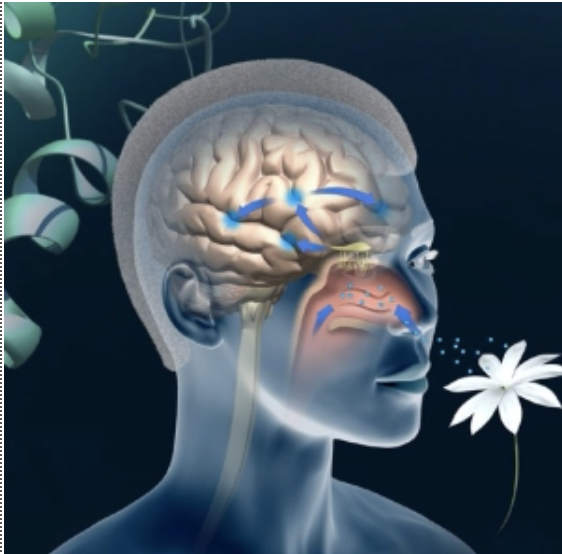
One of the earliest signs that something might be amiss with your dopamine levels, is the complete or partial loss of the sense of smell. This is called Hyposmia. (This is also one of the early signs of COVID-19 and quite honestly, the relationship scares me! Why covid-19 makes people lose their sense of smell)

I have written about this before in Stop and See the Roses and acknowledged that looking back, this one of my earliest symptoms.

Well, I found out just how EARLY this sign appeared!

As I was looking at old movies from over a decade ago (which was so much fun!), I came upon a moment where my son brought me a flower from the garden to smell. I attempted to smell and my reply was;

“I have a very weak sense of smell because I can’t smell that.”

The date on the film was July…2009.

I was diagnosed in May…2017.

Wow. I’m not sure if anything would be different now if I had pursued a doctor’s visit because I couldn’t smell the flowers, but researchers are now doing a lot of work around early diagnosis based upon loss of/impaired smell.

Loss of Smell in Parkinson’s Research

Loss of Smell and PD

Uncovering this little gem from my history is just a fragment of the complex puzzle of Parkinson’s Disease.


https://scienceandfooducla.wordpress.com/tag/hyposmia/
 

Days Like These

“Nobody told me there’d be days like these. Strange days indeed.” – John Lennon

I’ve been thinking about whether or not to write this post for a couple of weeks now. You see, I’ve fallen into a pattern of writing about a PD symptom or issue, and either providing my own solution, a recommended remedy, or simply trying to put a positive spin on living with this chronic neurological degenerative disease.

Truth is though, I’ve fallen into a bit of a rough patch lately. And I’ve decided to write about it in order to let readers know my truth, my pain, and just how much I dislike having Parkinson’s. Today I will not be strong, or brave, or light, or even positive. I’ll be me.

I’ve written that Exercise is Medicine and how moving fast allows me to feel free. Well three weeks ago I injured my ankle. My right ankle. My good ankle. The ankle I rely upon to maintain good balance. There was no grand event to cause the injury, just overuse from walking/running. Tendon? Ligament? Bone? Nobody is completely sure, but rest is what I need for it to heal.

More appointments are made; Physio. Osteo. Xray. Bone Scan in a couple of weeks. Because I have Osteoporosis, we need to figure out what’s going on with my bones. This scares me silly. Are my bones becoming so weakened that walking fast/running is too risky?

I am benched. Sidelined. Totally knocked off my game.

If I don’t move, I get stiff. I get rigid. Stuck. My muscles contract constantly – even during sleep. Pain is multiplied and wide spread. Shoulder, neck, back, butt, knees, calves, feet.

I wake up each morning feeling as though I’ve gone 10 rounds and lost.

I don’t like the feeling of losing. I’m not very good at it.

Yesterday, I walked around my block (maybe 400m). It’s a start. (ok…there it is…a little hint of positivity! I can’t help it!)

1295673533-2014-06-10-d37ff42e4d64659ae9a6726e427c07772.jpg


Sandals, Swimming & Sunshine

“Live in the sunshine, swim in the sea, drink in the wild air.” – Ralph Waldo Emmerson

Summer has been, and always will be, my favourite season. Don’t get me wrong, I am truly blessed to live in Canada where we enjoy 4 very different seasons, but to me, there is nothing better than a day spent at the beach with family or friends. Unfortunately, Parkinson’s has changed the way I enjoy summer and I have had to once again adjust and adapt in a few ways.

Sunshine is one of my loves and no matter where I am, I can tell you where the sun rises, sets, and the optimal position to sit to take advantage of the rays. Growing up, working on a ‘tan’ was an important sidebar to my summer experience. Days were spent lounging in the backyard with my sisters, swimming in my friend Ruthie’s pool, and running wild at summer camp. Sunscreen was usually an afterthought when my shoulders were red and my nose was peeling. But I grew to crave every minute in the sun, from waking at ridiculous hours to catch the sunrise, to staying late at the beach to take in the sunset.

While there are many things that Parkinson’s has forced me to adapt to, I was very disappointed to discover there is a link between PD and skin cancer. A Surprising Relationship: Parkinson’s Disease & Melanoma. There are lots of studies and research on the subject and the bottom line is that people with PD need to have a dermatologist on their ‘team’ and take every precaution while in the sunshine by reducing exposure and using sunscreen. And so I’m getting a referral to a dermatologist and searching for a high-quality paraben-free sunscreen…but reducing time spent in the sunshine….this will be harder!

My shoe of choice has always been my flip-flops. In fact, I’ve always had a competition with myself to eliminate the use of socks from my wardrobe as early as possible in the spring or as late as possible in the fall in order to slide into sandals.

However, the dystonia in My Left Foot is preventing me from wearing sandals or flip-flops. It’s a difficult thing to describe, but my foot just doesn’t have the coordination to strike the ground properly and I do much better in a shoe. So I go barefoot where and when I can, and I have found light shoes that support my foot without the need of a sock – it’s a compromise – but I still miss the flip-flops!!

Finally, summer is a time for swimming and this is something that I’ve always enjoyed, for cooling off and helping with that summer tan!

Last summer, I was alarmed when I went for a swim at a friend’s cottage and found myself in a little bit of trouble. My left arm (tremor side) and shoulder suffers from rigidity, stiffness, restricted movement, and PAIN. Once in the water, I realized that I could not move that arm in the form of a front crawl, breaststroke, or even a dog paddle. It was alarming and I had someone toss me a pool noodle in order for me to stay afloat. So now I need to always consider wearing a PFD when I am on a boat or in deep water.

Luckily, these are PD problems that have solutions.


Sunrise on the East Coast Dingwall, Nova Scotia


Sunrise on the East Coast Dingwall, Nova Scotia


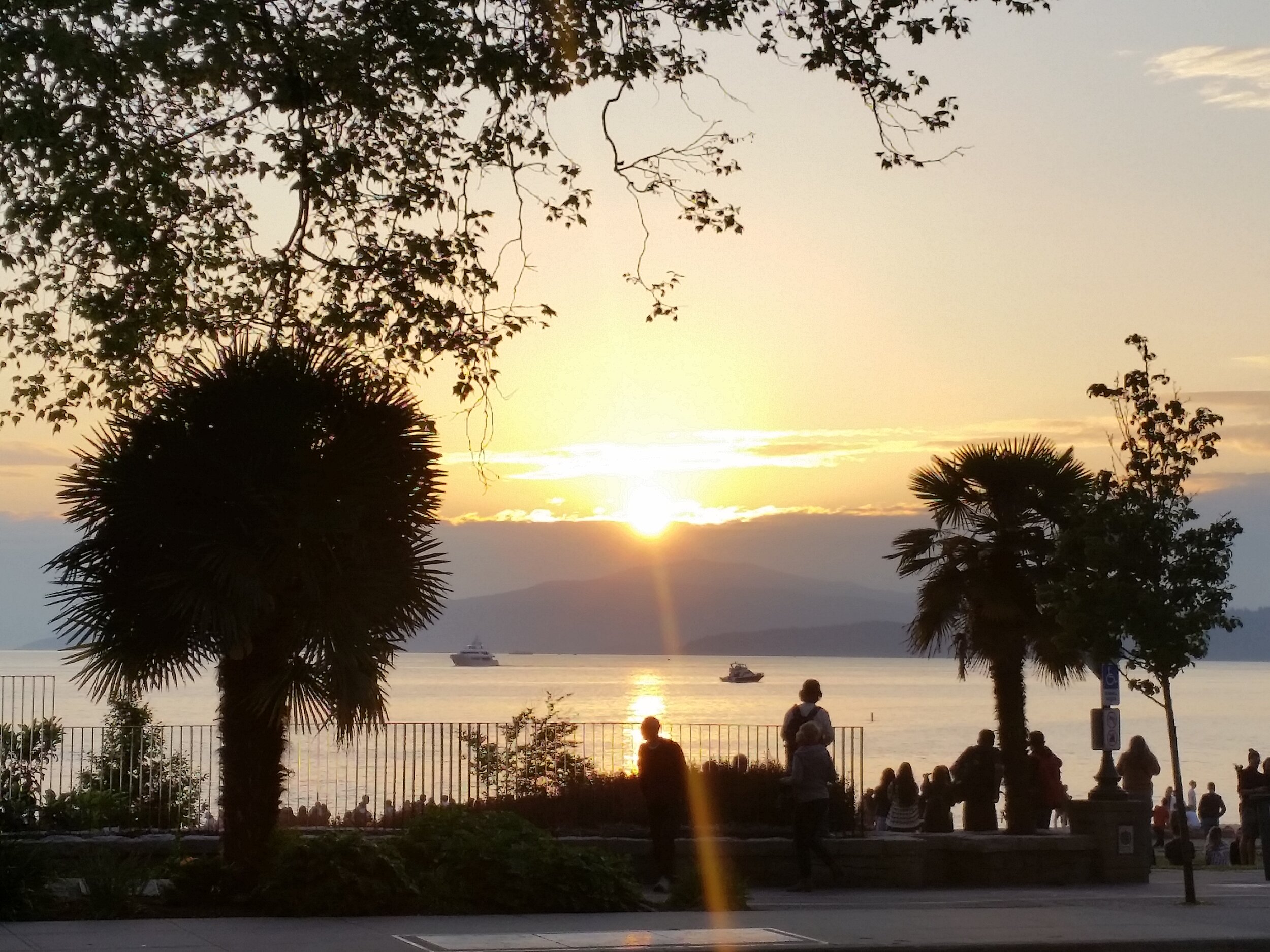
Sunset of the West Coast Vancouver, British ColumbiaSunset of the West Coast Vancouver, British Columbia


Sunset of the West Coast Vancouver, British Columbia

Hitting a Wall

With every broken bone, I swear I lived” (One Republic)

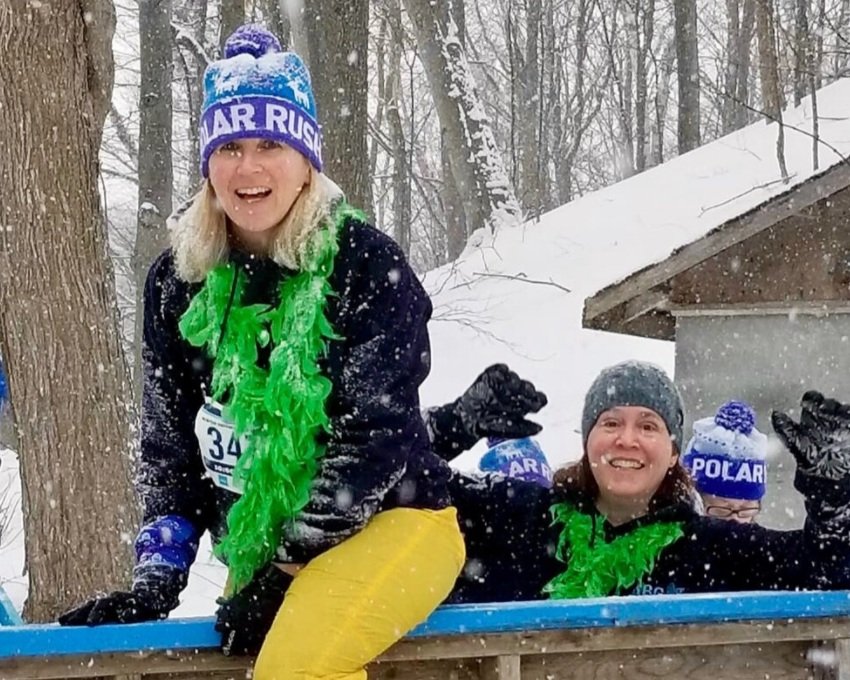
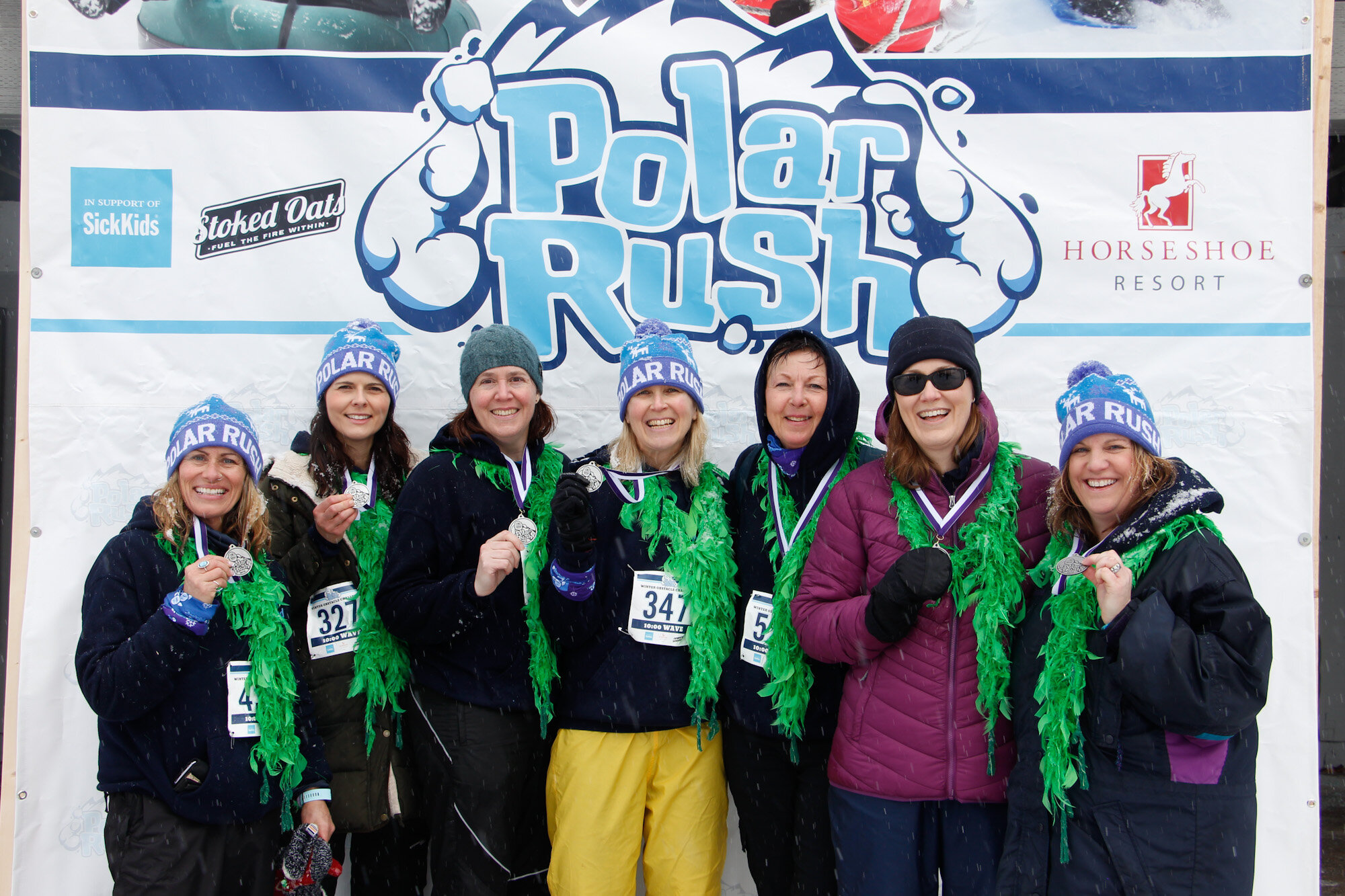
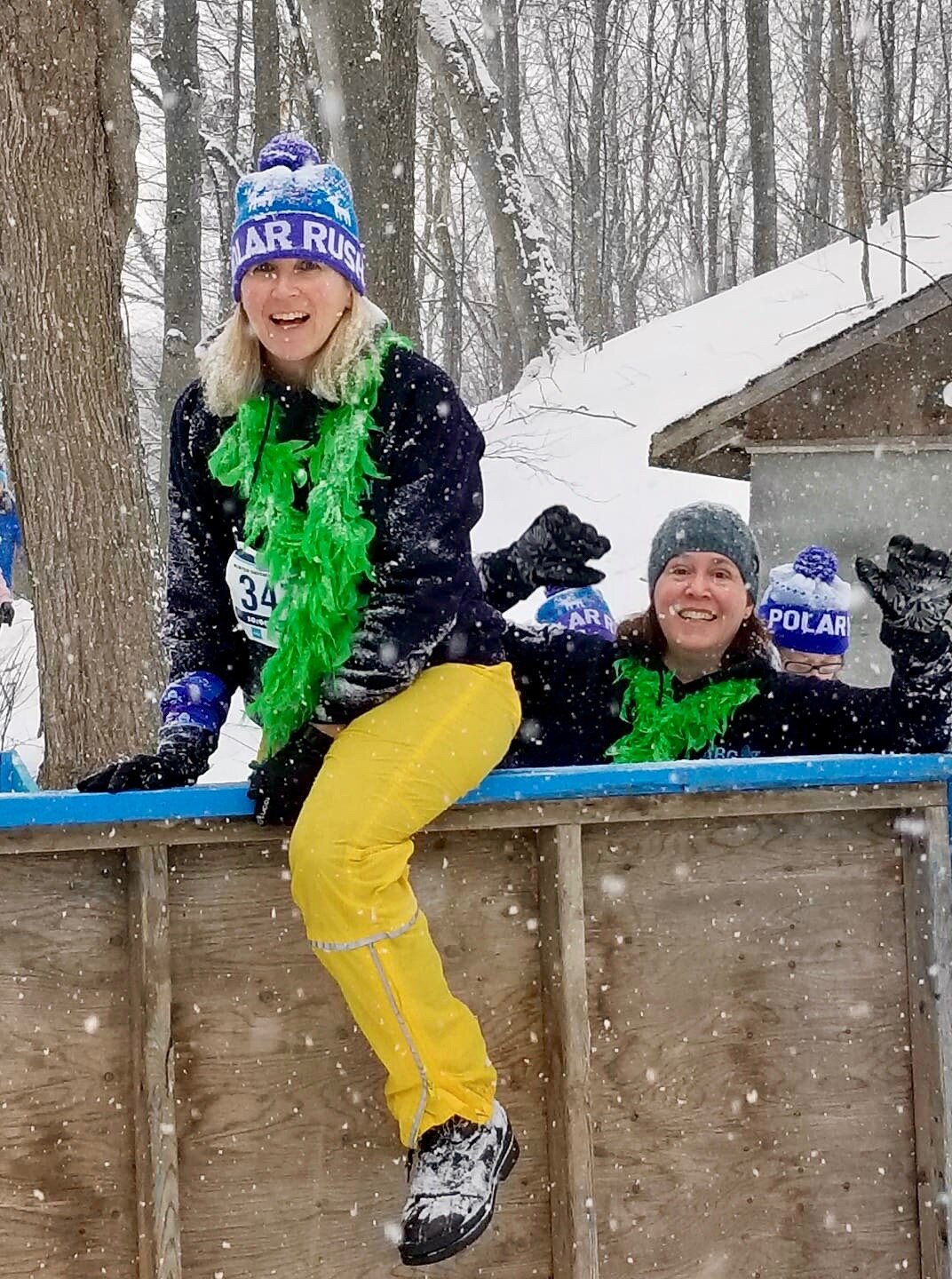
Just over a year ago, I joined my amazing group of friends in the Polar Rush! This is one of those outdoor obstacle courses, similar to Tough Mudder, Spartan Race, etc. but it is in the snow! It involved a 5km trek along ski hill terrain in a fresh foot of snow with wall climbs, crazy carpeting, rope climbs, snow crawling etc. I went in with an attitude of ‘I’ll do what I can’ and while I attempted it all, there were a couple of rope climbing activities that my left arm/shoulder could not support.

It was cold, hard, and fun!

One of the obstacles involved climbing over a 4-foot wall. Seemed easy enough but when I hoisted myself up, my left arm gave out and I came down on my ribs pretty hard. I heard/felt a snapping sound but caught my breath and managed to get myself up and over. I had some pain, but not enough to have to stop. I continued on and had a great day with lots of laughs followed by some lunch, beverages, and hot-tubbing.

By the time I got home, I was spent.

The next day brought me some fairly sore ribs and it was difficult to breathe. After 4 or 5 more days I saw my doctor. She sent me for X-rays which showed I had actually fractured 4 ribs!! What??

Her next course of action was to send me for a bone density scan to check for Osteoporosis. My low T-score (T-scores compare a person’s bone mineral density to average values for healthy young women) confirmed her suspicions. “Osteoporosis and osteopenia are very common findings in patients with Parkinson’s disease, affecting up to 91% of women and 61% of men.” Osteoporosis and PD

This diagnosis hit me much harder than being told I had PD. It brought forth two unwelcome thoughts;

  1. I am old.

  2. I am fragile.

But in the last year, I have learned that just like people can get Early Onset PD, people can also get Early Onset Osteoporosis. (I always hated being late to the party!). So I’m not ‘old.’

And I learned that exercise is very important in the treatment of Osteoporosis. So although I certainly want to avoid breaking bones, I am not so fragile that I have to stop moving. Too Fit to Fracture (Osteoporosis Canada)

And instead of regretting my Polar Rush experience, I am thankful for the day with my terrific friends and to the wall which brought my bones some much-needed attention!


19_P_Rush_S_ (358)-(ZF-9991-77508-1-002) 2.jpg
 
52987294_10161555994410416_1507589780672610304_o.jpg


Please Stay Home

The easiest and most responsible thing to do right now.

On March 12, I posted Coping with COVID19. Unfortunately, the world has changed rapidly in just over a week and while the sentiments in that post remain true, they are no longer timely. Words like ‘social distancing’ and ‘self-isolation’ were only just beginning to find their way into the dictionary and some people were still departing on their vacations.

But 1 week later, honestly…I am feeling quietly terrified. A week ago I was “a little anxious”, now I am waking up every morning worrying about the capability of this virus.

My kids’ lives have been upended. They were abruptly removed from life at University, College, & high school. They are no longer working. They can’t see their friends. They are unsure of the future. As an adult, I am struggling with the magnitude and meaning of this, so I can only imagine what it is like for them. Never ever thought that I would be so grateful for gaming and screen time but this has been an effective way for them to maintain contact with their peers!

My husband has been in ‘Survivor-Man’ mode for the last 2 weeks. He has prepared our house for this pandemic, without becoming a candidate for A&E’s ‘Hoarders’. He has been the one to bravely step into the grocery store to make sure that we all have healthy food, our favourite snacks, and of course a reasonable supply of the ever-elusive toilet paper.

My parents are 82. They have significant underlying health issues which make Covid 19 a grave concern. They are staying inside and staying safe. Our daily chats are great but I can hear sadness in my Mom’s voice. Isolation is hardest on the elderly. Our sisters and brothers and their families are all in self-isolation, by choice. We are all anxiously awaiting for my niece to safely make her way home from the UK where she has been working as a teacher up until a couple of days ago.

My friends are all dealing with their own crazy world right now and connecting online or by phone is very helpful. Two of our friends have had the virus and are now recovering at home after what I’m sure has been a terribly frightening time.

Finally, because I have Parkinson’s Disease, I am considered ‘high risk.’ I didn’t know this for sure a week ago. Now I do. I am susceptible to complications from contracting this virus.

I don’t want it.

I hate it.

It’s so simple. We are in self-isolation and everyone else should be too. When you HAVE to go out, practice social distancing.

If you don’t think YOU need to stay home, please re-think that plan because your recklessness can have brutal consequences for others.

PLEASE STAY HOME.

“The UK government has published a list of those at higher risk of severe illness from COVID-19 which includes all people over the age of 70, and people under 70 with a chronic neurological condition such as Parkinson’s. This means people with the condition are considered at a higher risk of having severe symptoms or complications if they are infected by the virus.” (Coronavirus and Parkinsons – What you need to know.)

I’ll Try Anything!

“How do we wrestle with this beast? Living with an incurable disease like Parkinson’s is very different from living with a terminal illness. This is a disease you’ll live with for a very long time. You really have to make peace with it” (Connie Carpenter-Phinney)

I have very quickly learned that many people feel compelled to offer helpful suggestions when they hear that I have Parkinson’s Disease.

“Have you tried CBD oil?”

“Have you tried acupuncture?”

“Have you tried boxing?”

The list of suggestions is lengthy and although at times, it can be frustrating to hear repetitive offers to read the latest research or try the latest ‘fix,’ I never dissuade anyone from trying to help. Because really, that is all they want to do. They see you suffering and they want to bring you some relief, comfort, and peace.

So my usual response is; “I’ll try anything!”

And I do try everything. Even when I am somewhat skeptical, I will give it a go. Because in the end, I’ve got this disease that isn’t going anywhere and if there is something I can do that has a possibility of bringing me relief, even if it is only temporary, it’s certainly worth a try. I will do anything to slow this train down.

A couple of years ago I was lucky enough to attend a one-day conference called The Victory Summit put on by the Davis Phinney Foundation. At this conference, there were multiple presentations on many different strategies to cope with PD ranging from meditation to medication to alternative therapies, to dancing/singing etc. If you ever have a chance to get to one of their conferences – GO! (and it’s free!). Or visit their website for loads of articles, podcasts, and videos on how to live well.

“How do we wrestle with this beast? Living with an incurable disease like Parkinson’s is very different from living with a terminal illness. This is a disease you’re going to live with for a very long time. You really have to make peace with it” (Connie Carpenter-Phinney)

I will suggest that if you are feeling tired, sore, stiff, alone, shaky, dizzy, weak, etc., that you try something to feel better and improve

My New Ride

Modify. Adapt. Adjust. Shift gears…

While I really have a strong dislike for the words I can’t, I have come to realize that there are certain things that I shouldn’t do.

Riding my bicycle is one of those things. I have some left-side balance issues, left-side shoulder stiffness, weakness, and pain, and a new diagnosis of Osteoporosis (that’ll be another post!). So cycling just doesn’t seem like a safe thing for me to do. The risk of falling seems too great.

Could I? Yes.

Should I? Probably not…for now.

But my Parkinson’s brain has a distinct need for high-intensity interval exercise (read more here: Parkinson News today Oct. 2019).

So I need to modify. Adapt. Adjust. Shift gears…

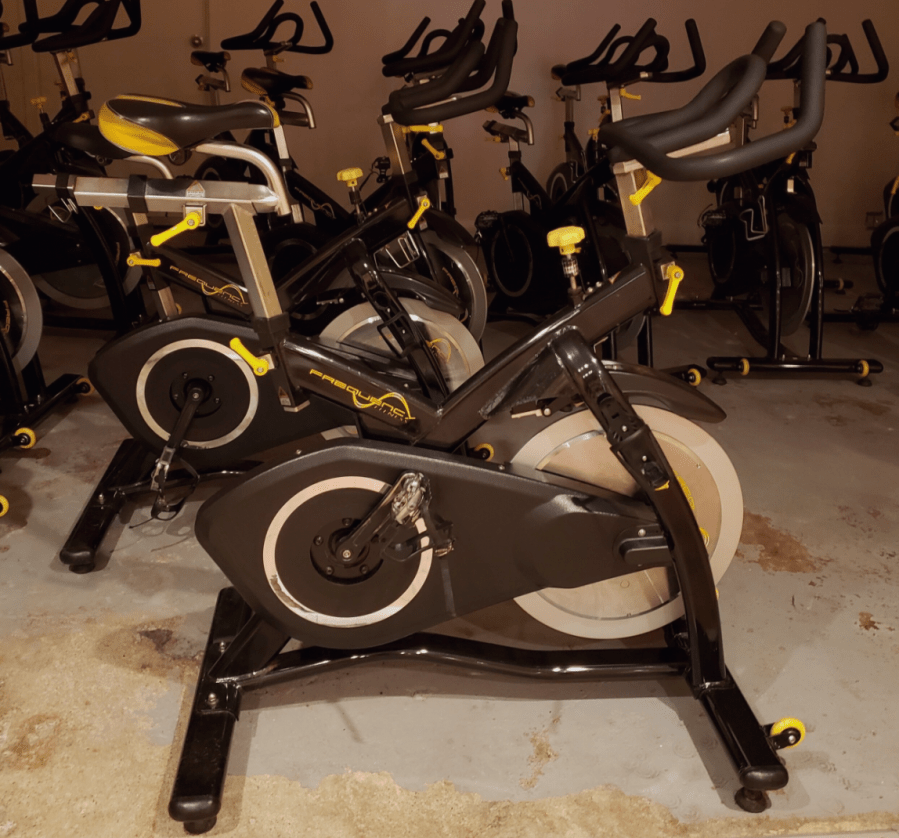
I found a Ride class at my Yoga Studio and I am loving it!

Ride: This indoor cycle class is a safe, sweaty place to elevate your cardiovascular fitness or simply put a fun spin on your cross-training! By adjusting the bike gears throughout the class to your specific needs, this class is accessible at any time. From gentle to powerful, get on the bike and ride! (BlissAnn Green Yoga).

While I would still prefer to be riding outside, this workout provides me with a much safer alternative and a social outlet as well.

Now…I just need to find a place where I can safely alpine ski!!

Stop and See the Roses

Losing my sense of smell was my first symptom of PD, although I didn’t know it!

Looking back, years before there was any sign of a tremor, I recall noticing that I was losing my ability to smell. It certainly didn’t happen overnight, but every now and then, someone would say;

“Ewww what’s that smell?” or “Mmmm that smells good.”

And I would try to smell…and there would just be nothing?

I never thought anything of it. Now I know that it is one of the most common early symptoms among many people with Parkinson’s Disease.

It’s called Hyposmia (lessened sensitivity to odors) and it usually appears a few years before other symptoms. There is no treatment for it. And because smell is so closely connected to taste, it can affect your diet and lead to weight loss which could be problematic.

But when it comes to bad smells… I am so lucky!

When the odor of a skunk filters through the yard; I am so lucky!

When someone passes by me smoking a cigarette; I am so lucky!

When someone passes gas (I won’t name names); I am so lucky!

Let’s face it – there are a lot of unpleasant odours out there that I certainly don’t miss!

The only time I truly miss it is when someone points out how wonderful something smells and I realize I can’t experience the same feeling of joy. Flowers, puppy breath, fresh baked cookies, the salty air at the beach, a pine tree, a campfire, babies, etc.

But the brain is a wonderful thing and I believe that every now and then, my eyes fill in the gaps for my nose. My eyes have created ‘smell’ memories and when I see lilacs or roses, I can somehow retrieve the memory of how beautiful they smell. Doesn’t happen all the time, but when it does I enjoy it!

The Tip of the Iceberg

“What we see often is only a fractional part of what really is” – Unknown

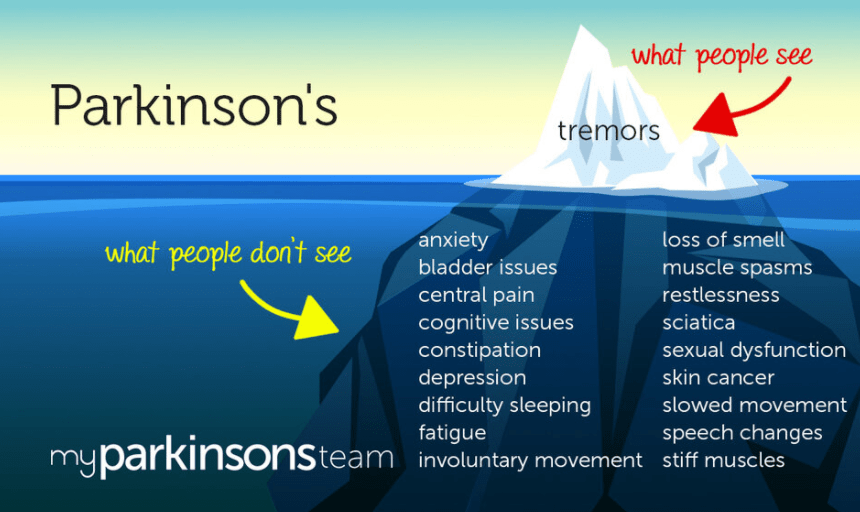
Parkinson’s Disease = Tremor.

Having a tremor is what most people think of when they hear about Parkinson’s Disease. I know I did.

It is the most visible of all symptoms but certainly not the worst symptom. There is so much more going on beneath the surface which makes PD very complex.

They say that if you know a person with PD, then you know one person with PD. No two are alike. Symptoms vary from person to person. But what we all share is that we are not just what you see on the outside.

Do I experience all of the symptoms that are on the infographic?

Thankfully, no.

Not yet.

Levodopa vs. Protein

The great race to the brain. Timing your meds is very important!

The greatest thing about Levodopa is that it gets along very well with other meds. The worst thing about Levodopa is that it does not play well with protein. These two compete with one another in a vigorous race through the bloodstream to get to the brain…and Levodopa always loses. Once food and pills go into the digestive tract, protein (amino acids) are often the first in line to be absorbed which means less medication gets through.

So they need to be separated in order for levodopa to be effective.

Levodopa needs a solid 30-minute headstart to win the race (take meds 30 minutes before meals involving protein) or wait to take meds 2 hours after a meal when the lineup in the digestive tract has dispersed).

Many people take multiple levodopa pills throughout the day to get some symptom relief (I take 3). So this protein interaction can become a little complicated but it is really important to make a plan for optimal absorption.

I have a timer set on my phone to remind me to take my pills and this is set for 30 minutes prior to mealtime.
For more info click the link here: Levodopa and Protein Medication Absorption

Embrace the Shake!

Learning to accept my limitations has increased my freedom!

At the first sight of a slight tremor in my left pinky finger, I was fascinated. I would often show people like it was something funny! Sort of like tricks that you could do when you were a kid (ie. touching your tongue to your nose) and saying, ‘Look what I can do!”

When that tremor slowly spread its way through my fingers and up my arm, it quickly became something that I tried desperately to hide. If I was making a presentation, I would hold that arm behind my back. If I was in a meeting, I would sit on that hand to cover it up. I would often clasp my hands together and dig my thumb into the palm of my left hand to try to gain some control as though causing pain would trick my brain into sending a different response. Trying to hide the tremor became harder. And it seemed the more I was aware of it, the harder it was to control.

For those of you without a tremor, it can be hard to understand. But if you’ve ever participated in a sport that required you to hold a position (ie. weight lifting, yoga, rock-climbing etc.) then you might have experienced a tremor-like feeling. When rock climbing, we called it ‘sewing machine leg’ – your leg would shake involuntarily when you were trying to reach for your next hold.

Recently I started doing Spin classes (group cycling classes on stationary bicycles). This is a great workout for me as it is high intensity, with no risk of falling off the bike! During my last class, we were climbing up a steady hill and working hard. The instructor shouted out at us to ‘embrace the shake’ in our leg muscles as the climb got slower and more difficult.

I smiled.

Great advice.

Trying to hide something that can’t be hidden is useless.

Embrace the shake.

Ted Talk: Embrace the Shake

Withdrawal

“As much as you can in your life, say YES.” Mary Carillo

A friend texted me to get together for coffee this morning.  I read the message and instantly cringed and said ‘no’ out loud. Not today, I thought. I replied to her that today didn’t work, but Wednesday would be a good day. Yes, Wednesday. We could go snowshoeing. Yes, this is a great idea…everything will be better on Wednesday…until Wednesday rolls around and I will still not want to go.

Don’t get me wrong, I love seeing my friends and when I’m with them they make me happy. But something has changed lately with my ability/desire to put myself out there.

I consider this behaviour to be my latest developing symptom/side effect of Parkinson’s Disease. I’m not really sure what to call it; but I know that it is real and it is progressing just like my other PD symptoms.

Let’s call it withdrawal.

More and more I find myself wanting to withdraw from social situations, events, and commitments. This is an unusual mindset for me as I used to enjoy having a schedule filled with gatherings both large and small. However, this past holiday season, I found myself opting to stay in more often. Refusing rather than accepting invitations became the norm.

And my reasons for withdrawal are not so easily defined. Perhaps there is a neurological connection or a dopamine issue that contributes to withdrawal in people with Parkinson’s but I will leave that discussion to the medical professionals.

I believe this is a ‘me-thing.’ Therefore I have to look inward to get at the root of my withdrawal.  

Have I become increasingly aware of people watching me?

Am I concerned that people think I’ve had too much to drink because of changes to my gait and my speech?

Am I stressed at trying not to shake, not to slur my words, not to lose my balance, not to appear stiff, and to purposefully make my face smile?

Is it becoming increasingly difficult to pretend that I’m ok?

Yes.

Withdrawing and staying home is so much less complicated and significantly more comfortable than going out.

If withdrawal is a side effect of Parkinson’s Disease, then I need to treat it as such. There are so many things that I do to manage my physical symptoms and if I fail to treat any of my symptoms, I don’t feel well.

Likewise, if I fail to address this withdrawal, I won’t feel well either. Abandoning my social activities could lead to loneliness, isolation, and depression. These are also very common side-effects of Parkinson’s disease that I do not wish to experience.

What can I do to treat withdrawal?

Go snowshoeing on Wednesday!

**Update: I went snowshoeing on Wednesday and it was wonderful!


Adjustment Disorder

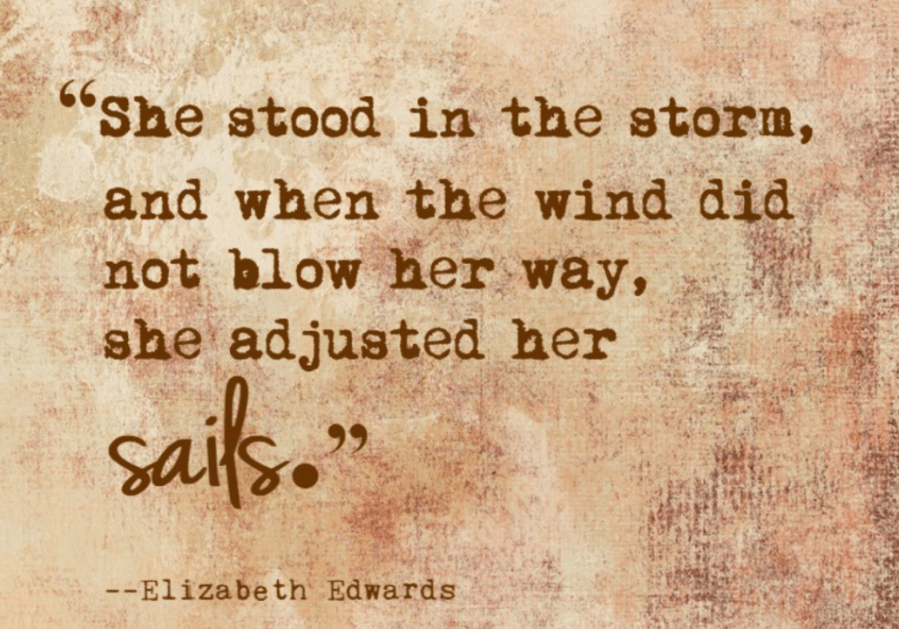
“She stood in the storm and when the wind did not blow her away, she adjusted her sails.” Elizabeth Edwards

A few months after I was diagnosed with Parkinson’s, I crashed…completely. Initially, I had taken the news rather well and felt that nothing had changed. I went about my life and my job as though I could still do it all. It was ‘all good.’

My body said otherwise.

By the time I decided it was time to see the doctor, I was physically, mentally, and emotionally exhausted. My bloodwork was crazy. Anemia, low blood pressure, irregular heartbeat, etc. made the simplest of tasks seem exhausting. I was not coping well physically or emotionally.

My doctor called it ‘Adjustment Disorder.’  This made perfect sense. It could be called Acceptance Disorder, Acknowledgement Disorder, Adherence Disorder etc. Nevertheless, I wasn’t doing well at any of those things. I had developed a chronic, neurodegenerative disease for which there is no cure and no treatment to slow the progression. Yet, I expected my life to continue as though everything was normal. (As I mentioned in The Telling, I tried to downplay and make light of PD…not the best idea!)

My doctor put me on a medical leave of absence from work. I used this time to adjust. Not easy. Eventually, I practiced some much-needed self-care and I began to gather my team of professionals to help me deal with the many facets of this disease.

It took time, four months to be exact, to build my system back up to working order, and even then I was only able to return to work for half days.

I think I will always have Adjustment Disorder.  But I think I have learned to listen to my body and recognize when I need to give myself a break.

To learn more about Adjustment Disorder, click here: Mayo Clinic Adjustment Disorder