Days Like These

ā€œNobody told me there’d be days like these. Strange days indeed.ā€ – John Lennon

I’ve been thinking about whether or not to write this post for a couple of weeks now. You see, I’ve fallen into a pattern of writing about a PD symptom or issue, and either providing my own solution, a recommended remedy, or simply trying to put a positive spin on living with this chronic neurological degenerative disease.

Truth is though, I’ve fallen into a bit of a rough patch lately. And I’ve decided to write about it in order to let readers know my truth, my pain, and just how much I dislike having Parkinson’s. Today I will not be strong, or brave, or light, or even positive. I’ll be me.

I’ve written that Exercise is Medicine and how moving fast allows me to feel free. Well three weeks ago I injured my ankle. My right ankle. My good ankle. The ankle I rely upon to maintain good balance. There was no grand event to cause the injury, just overuse from walking/running. Tendon? Ligament? Bone? Nobody is completely sure, but rest is what I need for it to heal.

More appointments are made; Physio. Osteo. Xray. Bone Scan in a couple of weeks. Because I have Osteoporosis, we need to figure out what’s going on with my bones. This scares me silly. Are my bones becoming so weakened that walking fast/running is too risky?

I am benched. Sidelined. Totally knocked off my game.

If I don’t move, I get stiff. I get rigid. Stuck. My muscles contract constantly – even during sleep. Pain is multiplied and wide spread. Shoulder, neck, back, butt, knees, calves, feet.

I wake up each morning feeling as though I’ve gone 10 rounds and lost.

I don’t like the feeling of losing. I’m not very good at it.

Yesterday, I walked around my block (maybe 400m). It’s a start. (ok…there it is…a little hint of positivity! I can’t help it!)

1295673533-2014-06-10-d37ff42e4d64659ae9a6726e427c07772.jpg

Ā 

Sandals, Swimming & Sunshine

ā€œLive in the sunshine, swim in the sea, drink in the wild air.ā€Ā – Ralph Waldo Emmerson

Summer has been, and always will be, my favourite season. Don’t get me wrong, I am truly blessed to live in Canada where we enjoy 4 very different seasons, but to me, there is nothing better than a day spent at the beach with family or friends. Unfortunately, Parkinson’s has changed the way I enjoy summer and I have had to once again adjust and adapt in a few ways.

Sunshine is one of my loves and no matter where I am, I can tell you where the sun rises, sets, and the optimal position to sit to take advantage of the rays. Growing up, working on a ā€˜tan’ was an important sidebar to my summer experience. Days were spent lounging in the backyard with my sisters, swimming in my friend Ruthie’s pool, and running wild at summer camp. Sunscreen was usually an afterthought when my shoulders were red and my nose was peeling. But I grew to crave every minute in the sun, from waking at ridiculous hours to catch the sunrise, to staying late at the beach to take in the sunset.

While there are many things that Parkinson’s has forced me to adapt to, I was very disappointed to discover there is a link between PD and skin cancer. A Surprising Relationship: Parkinson’s Disease & Melanoma. There are lots of studies and research on the subject and the bottom line is that people with PD need to have a dermatologist on their ā€˜team’ and take every precaution while in the sunshine by reducing exposure and using sunscreen. And so I’m getting a referral to a dermatologist and searching for a high-quality paraben-free sunscreen…but reducing time spent in the sunshine….this will be harder!

My shoe of choice has always been my flip-flops. In fact, I’ve always had a competition with myself to eliminate the use of socks from my wardrobe as early as possible in the spring or as late as possible in the fall in order to slide into sandals.

However, the dystonia in My Left Foot is preventing me from wearing sandals or flip-flops. It’s a difficult thing to describe, but my foot just doesn’t have the coordination to strike the ground properly and I do much better in a shoe. So I go barefoot where and when I can, and I have found light shoes that support my foot without the need of a sock – it’s a compromise – but I still miss the flip-flops!!

Finally, summer is a time for swimming and this is something that I’ve always enjoyed, for cooling off and helping with that summer tan!

Last summer, I was alarmed when I went for a swim at a friend’s cottage and found myself in a little bit of trouble. My left arm (tremor side) and shoulder suffers from rigidity, stiffness, restricted movement, and PAIN. Once in the water, I realized that I could not move that arm in the form of a front crawl, breaststroke, or even a dog paddle. It was alarming and I had someone toss me a pool noodle in order for me to stay afloat. So now I need to always consider wearing a PFD when I am on a boat or in deep water.

Luckily, these are PD problems that have solutions.


Sunrise on the East Coast Dingwall, Nova Scotia

Ā 

Sunrise on the East Coast Dingwall, Nova Scotia

Ā 

Ā 

Ā 

Ā 


Sunset of the West Coast Vancouver, British ColumbiaSunset of the West Coast Vancouver, British Columbia

Ā 

Sunset of the West Coast Vancouver, British Columbia

Exercise is Medicine

ā€œThe doctor of the future will give no medicine, but will interest his patient in the care of the human frame, in diet and in the cause and prevention of disease.ā€ – Thomas Edison

In the three years that have passed since my diagnosis, the most important thing that I have learned and the most critical component of my treatment is exercise. I feel so much better when I move and it seems that the faster I move, the better I feel. Seems easy enough right? Not always.

Parkinson’s brings some things to the table that can impact my desire and ability to exercise.

Apathy: (I loathe that word) There are days when my brain is not up to doing anything. A certain level of fatigue sets in and it is incredibly hard to push through it. Usually, I can gain control over it and get out the door, or on the bike. Other days, it just doesn’t happen. I’ve come to accept these days as ā€˜needed’ and try not to beat myself up over it. Non-movement symptoms: Apathy

Pain: (I loathe that feeling) There are days when my body simply tells me to stop. Pain in my left shoulder, arm, and foot can occasionally restrict movement in such ways that getting outside for a walk/run or sitting on the bike is next to impossible. Some days I can push myself, but I’m getting better at listening to what my body is telling me. Does Parkinson’s Hurt?

But 99% of the time I know that movement will heal. So I treat my ā€˜movement disorder’ with movement! When I move, I exert power over apathy. When I move, I reduce stiffness and rigidity which alleviates pain for a bit. Exercise as Treatment. Getting out the door and moving past pain is, by far, the most effective treatment for my symptoms.

Yesterday I ran 10km as part of a Virtual fundraiser for Camp Oochigeas (a summer camp for kids living with cancer). AND when I move faster, I feel free and flexible…like I don’t have PD! I like those moments. This might be similar to how the kids at Camp Ooch might feel when they go to camp – like they don’t have cancer.

I encourage you to visit their website Camp Ooch to see the wonderful things that they do and to donate if you can.

Hitting a Wall

ā€œWith every broken bone, I swear I livedā€ (One Republic)

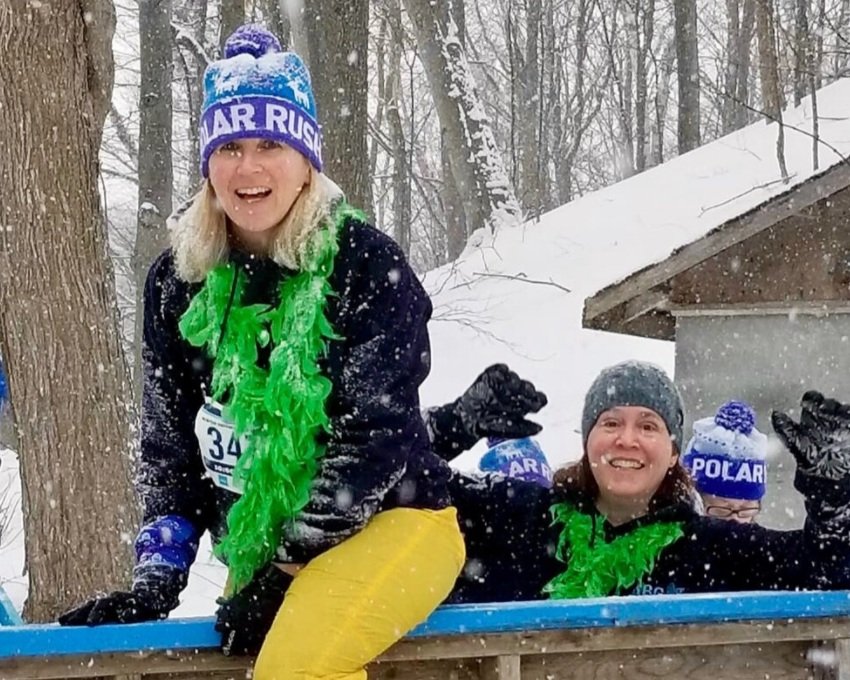
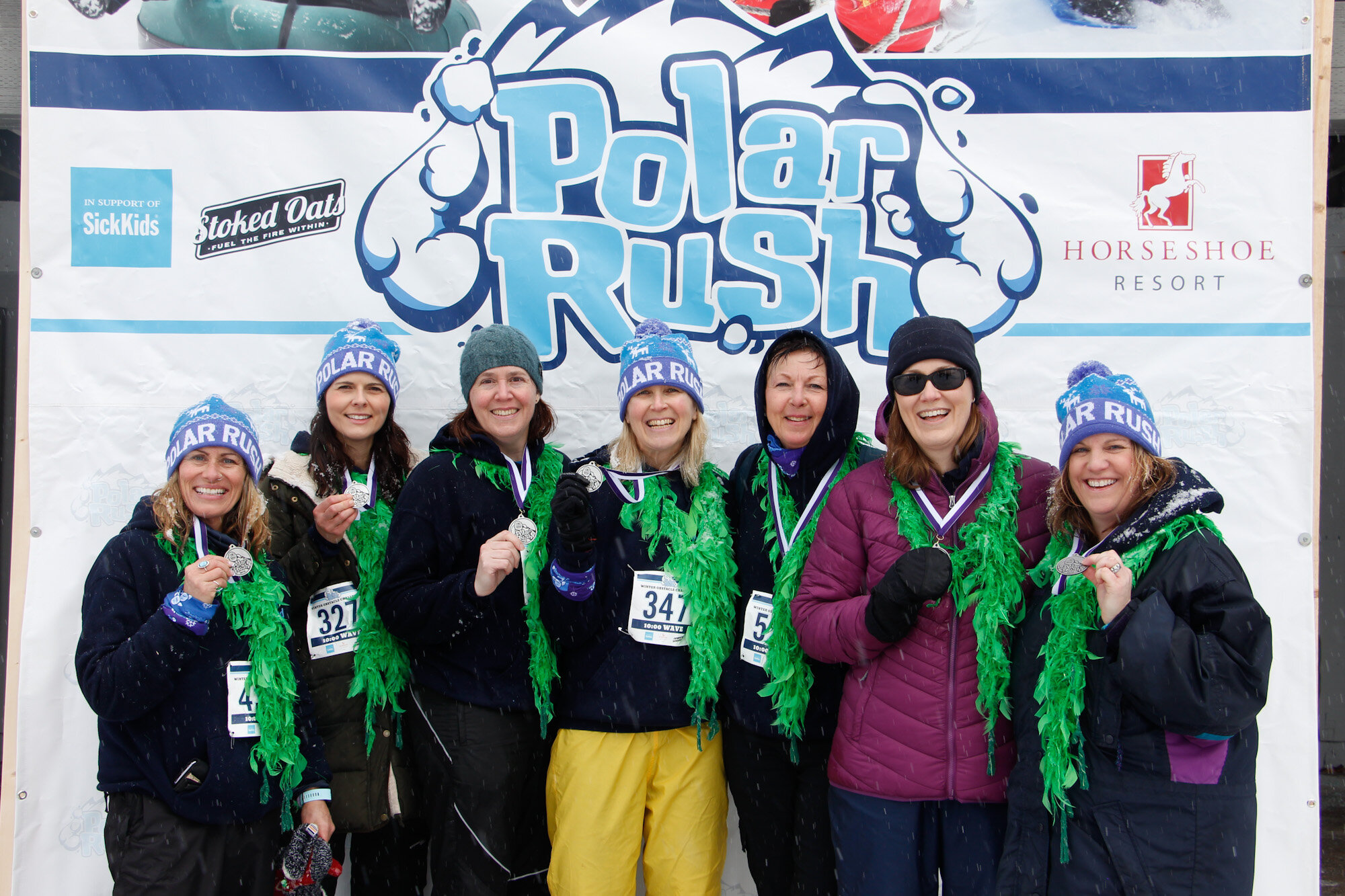
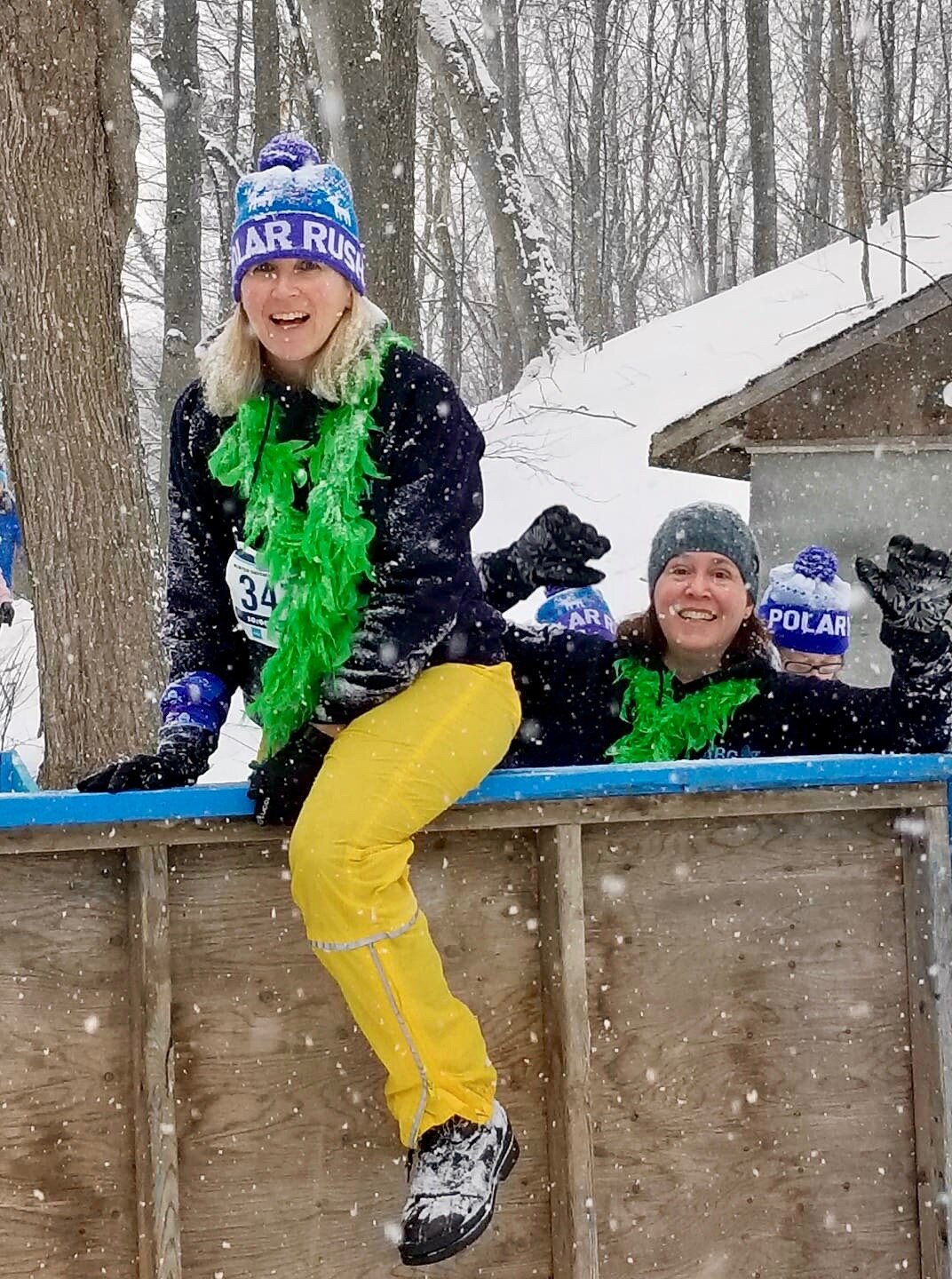
Just over a year ago, I joined my amazing group of friends in the Polar Rush! This is one of those outdoor obstacle courses, similar to Tough Mudder, Spartan Race, etc. but it is in the snow! It involved a 5km trek along ski hill terrain in a fresh foot of snow withĀ wall climbs, crazy carpeting, rope climbs,Ā snow crawling etc. I went in with an attitude of ā€˜I’ll do what I can’ and while I attempted it all, there were a couple of rope climbing activities that my left arm/shoulder could not support.

It was cold, hard, and fun!

One of the obstacles involved climbing over a 4-foot wall. Seemed easy enough but when I hoisted myself up, my left arm gave out and I came down on my ribs pretty hard. I heard/felt a snapping sound but caught my breath and managed to get myself up and over. I had some pain, but not enough to have to stop. I continued on and had a great day with lots of laughs followed by some lunch, beverages, and hot-tubbing.

By the time I got home, I was spent.

The next day brought me some fairly sore ribs and it was difficult to breathe. After 4 or 5 more days I saw my doctor. She sent me for X-rays which showed I had actually fractured 4 ribs!! What??

Her next course of action was to send me for a bone density scan to check for Osteoporosis. My low T-score (T-scores compare a person’s bone mineral density to average values for healthy young women) confirmed her suspicions. ā€œOsteoporosis and osteopenia are very common findings in patients with Parkinson’s disease, affecting up to 91% of women and 61% of men.ā€ Osteoporosis and PD

This diagnosis hit me much harder than being told I had PD. It brought forth two unwelcome thoughts;

  1. I am old.

  2. I am fragile.

But in the last year, I have learned that just like people can get Early Onset PD, people can also get Early Onset Osteoporosis. (I always hated being late to the party!). So I’m not ā€˜old.’

And I learned that exercise is very important in the treatment of Osteoporosis. So although I certainly want to avoid breaking bones, I am not so fragile that I have to stop moving. Too Fit to Fracture (Osteoporosis Canada)

And instead of regretting my Polar Rush experience, I am thankful for the day with my terrific friends and to the wall which brought my bones some much-needed attention!


19_P_Rush_S_ (358)-(ZF-9991-77508-1-002) 2.jpg
Ā 
52987294_10161555994410416_1507589780672610304_o.jpg

Ā 

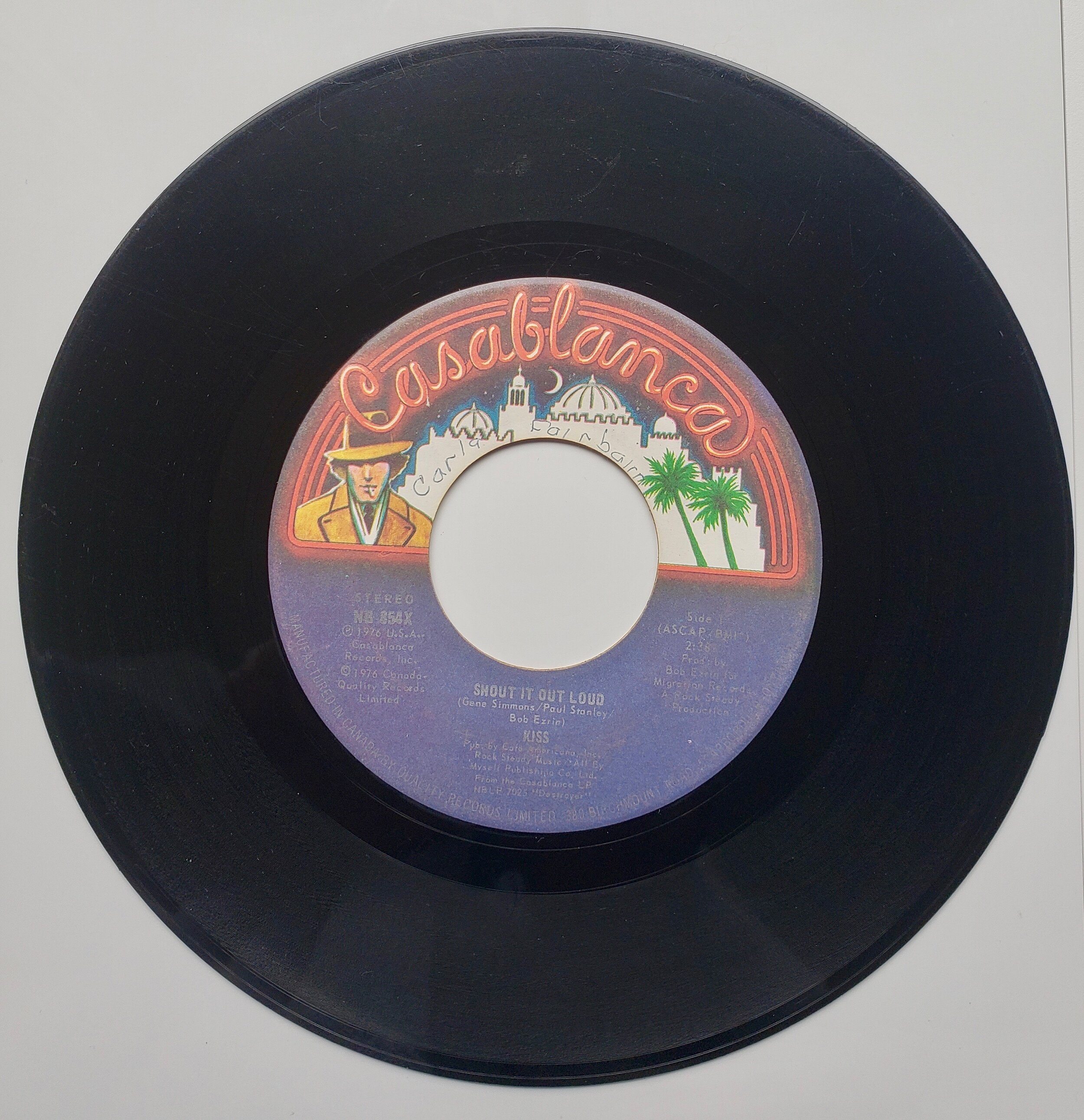
Shout it Out Loud!

ā€œIf you don’t feel good every way you could. Don’t sit there broken-heartedā€Ā (Kiss)

Before any thoughts of Parkinson’s Disease began to surface, I noticed some changes that I was experiencing with my speech and my voice. People were often asking me to speak up, saying they couldn’t hear me.

Never ever in my life would I have been described as ā€˜quiet!’

But in the last several years, my voice has become very soft. The strange thing about this symptom is that I can’t hear it? In my own head, my voice sounds normal so when I’m asked to speak up, it sounds to me as though I’m yelling.

It isn’t a big deal when I’m talking with a couple of people in a quiet environment, but add a crowd, background music, or cheering fans, and my voice fades away and so do I.

I attended a friend’s retirement party shortly before the world went inside due to COVID 19. The bar played loud music, the crowd was tight, and the chatter was loud. I ā€˜yelled’ for several hours so that people could hear me and by the end of the night, I had lost my voice. I enjoyed myself and was able to touch base with many friends that I had not seen in quite a while. But it was really hard work. And a crazy stress on my vocal chords.

I have a speech therapist, part of Team Carla, who performed some assessments on my voice as well as speech and swallowing. She recommended a program called LSVT LOUD which ā€œtrains people with PD to use their voice at a more normal loudness level while speaking at home, work, or in the community. Key to the treatment is helping people “recalibrate” their perceptions so they know how loud or soft they sound to other people and can feel comfortable using a stronger voice at a normal loudness level.ā€

Click here; What is LSVT LOUD to find out more about the program.

It is an expensive venture and an intensive program but one that will help preserve my voice in the long term.

I’ve added the program to my After-COVID wish list!

One of the first 45 records I purchased with my babysitting money! Words are kind of appropriate for this post!

Ā 

One of the first 45 records I purchased with my babysitting money! Words are kind of appropriate for this post!

Ā 

Ā 

Attention to Detail

Small accomplishments and dreams of beach days!

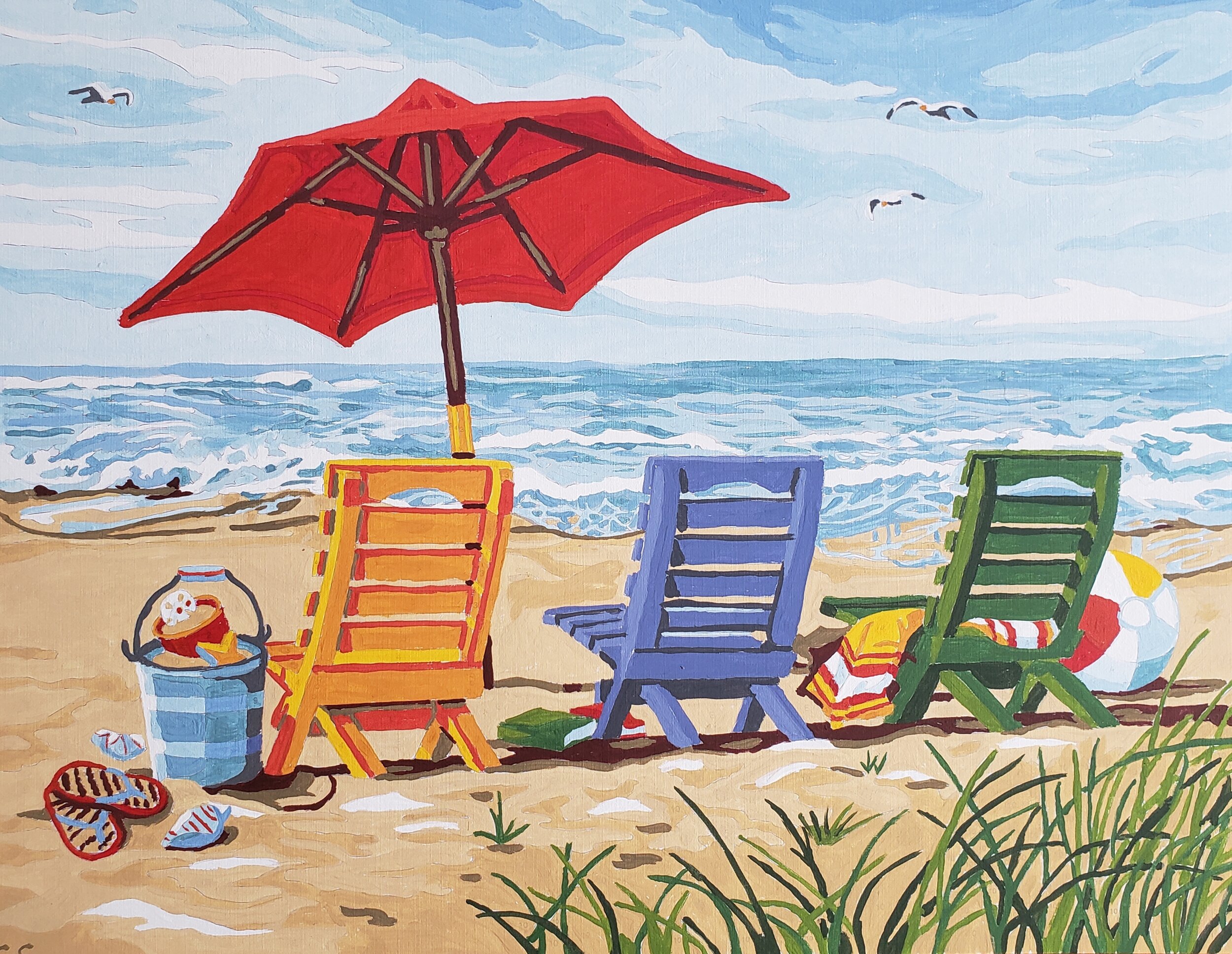
As the 30-day marker approaches of my self-isolation with my family during the Covid19 pandemic, I have completed my first creative project!

I got a little bit cocky and ordered a Paint-by-Number kit from Amazon! Why I considered this purchase to be somewhat bold is because painting, in detail, is not something that I thought I could really pull off with a tremor! I am right-handed and my tremor is left-sided so my optimism wasn’t completely off track, but as anyone with a tremor knows, the effects of shaking are fairly widespread.

The way I see it is that the tremor causes the pain, stiffness, and rigidity in my left arm which extends to my shoulder, neck, and spine and therefore causes my right side not to work as efficiently as it should. This might explain why my handwriting (right hand) became small, strained, and illegible prior to my diagnosis and medication.

The time spent painting was carefully coordinated with the taking of my carbidopa/levodopa in order to ensure optimal steadiness and relative accuracy!

To say I am proud of the finished product is an understatement! The thought of actually framing a ā€˜paint-by-number’ seems ridiculous but I just might do it!

Beach.jpg

Ā 

Ā 

Ā 

Ā 

Ā 

Missing Team Carla

Creative solutions to symptom management during the COVID-19 pandemic

The intent of this blog was to raise awareness about PD in a positive light. Recently though, COVID-19 has infiltrated my entire thought process and I’m trying hard not to let it take over the content of this blog but it is proving to be quite difficult to write about anything else. However, there are many good things happening so I will write about that!

With the closure of just about everything, I find myself without the members of my team that I wrote about in Team Carla. The absence of treatment has me worried because I rely heavily upon Physiotherapy and Osteopathy to manage a variety of my symptoms, and I wondered how long it would be before my body got angry!

Well, it didn’t take long. Earlier this week, the pain was starting to increase and I knew this was due to missing my treatments and acupuncture. I wondered how this would impact my life over the days, weeks, and months that they are projecting COVID-19 will live among us.

Coincidentally, the next morning, I received a call from Tom, the world’s greatest Physiotherapist! He told me that his clinic (Concept of Movement) was providing online services to both new and existing clients! So we connected the next day, via laptop, and I had an awesome appointment. It was the next best thing to an in-person visit and I truly believe that this creative solution will get me through this difficult time.

The acupuncture will have to wait, although my husband volunteered to stick me with needles…

For my fellow PWPs or anyone else in need, click here for Virtual Service for Physiotherapy with Concept of Movement!

Please Stay Home

The easiest and most responsible thing to do right now.

On March 12, I posted Coping with COVID19. Unfortunately, the world has changed rapidly in just over a week and while the sentiments in that post remain true, they are no longer timely. Words like ā€˜social distancing’ and ā€˜self-isolation’ were only just beginning to find their way into the dictionary and some people were still departing on their vacations.

But 1 week later, honestly…I am feeling quietly terrified. A week ago I was ā€œa little anxiousā€, now I am waking up every morning worrying about the capability of this virus.

My kids’ lives have been upended. They were abruptly removed from life at University, College, & high school. They are no longer working. They can’t see their friends. They are unsure of the future. As an adult, I am struggling with the magnitude and meaning of this, so I can only imagine what it is like for them. Never ever thought that I would be so grateful for gaming and screen time but this has been an effective way for them to maintain contact with their peers!

My husband has been in ā€˜Survivor-Man’ mode for the last 2 weeks. He has prepared our house for this pandemic, without becoming a candidate for A&E’s ā€˜Hoarders’. He has been the one to bravely step into the grocery store to make sure that we all have healthy food, our favourite snacks, and of course a reasonable supply of the ever-elusive toilet paper.

My parents are 82. They have significant underlying health issues which make Covid 19 a grave concern. They are staying inside and staying safe. Our daily chats are great but I can hear sadness in my Mom’s voice. Isolation is hardest on the elderly. Our sisters and brothers and their families are all in self-isolation, by choice. We are all anxiously awaiting for my niece to safely make her way home from the UK where she has been working as a teacher up until a couple of days ago.

My friends are all dealing with their own crazy world right now and connecting online or by phone is very helpful. Two of our friends have had the virus and are now recovering at home after what I’m sure has been a terribly frightening time.

Finally, because I have Parkinson’s Disease, I am considered ā€˜high risk.’ I didn’t know this for sure a week ago. Now I do. I am susceptible to complications from contracting this virus.

I don’t want it.

I hate it.

It’s so simple. We are in self-isolation and everyone else should be too. When you HAVE to go out, practice social distancing.

If you don’t think YOU need to stay home, please re-think that plan because your recklessness can have brutal consequences for others.

PLEASE STAY HOME.

ā€œThe UK government has published a list of those at higher risk of severe illness from COVID-19 which includes all people over the age of 70, and people under 70 with a chronic neurological condition such as Parkinson’s. This means people with the condition are considered at a higher risk of having severe symptoms or complications if they are infected by the virus.ā€ (Coronavirus and Parkinsons – What you need to know.)

Coping with COVID19

As COVID-19 gains momentum, I have to admit, I’m starting to feel a little anxious about it. Is this rational? While I’m not out engaging in fist fights over toilet paper and hand sanitizer, I am feeling stressed about what contracting this virus might mean for a person with Parkinson’s disease.

Am I immunocompromised? Am I at an increased risk? I don’t know the answer to this.

So I need to focus on what I do know and what I have learned. There is a plethora of information online and I have tried to sort through it to find what I need. MJFF is usually the most reliable source for all things Parkinson’s and here’s what they say; MJFF Coronavirus and Parkinsons

ā€œHaving Parkinson’s, by itself, may not put you at an increased risk of getting COVID-19 or, if you do get it, having a more significant illness. For example: If you are 50 years old, newly diagnosed and otherwise healthy, it’s hard to say more than ā€œyou should take standard precautions.ā€ But if you are older and have advancing Parkinson’s that significantly affects your movement, or if you have other conditions such as heart, lung or kidney disease, you may need to take more precautions, such as not traveling or avoiding routine doctor visits. Because Parkinson’s is so individualized, it’s hard to make a blanket statement. If you aren’t sure which category you fall into, talk with your doctor. But here’s my takeaway: Be careful and don’t take risks you don’t have to take.ā€ (Dr. Susan Bressman, MD)

Admittedly, I am a wee bit frightened of the virus due to its respiratory complications. Due to PD, I have difficulty clearing my throat and my chest when I have a minor cold and I struggle with swallowing at times, so I don’t think that I want to deal with a respiratory infection.

So today, I will take Dr. Bressman’s advice and not take unnecessary risks.

I just received a refund for a concert event that I had planned to attend next week and I was incredibly appreciative of the organizer’s compassion for my situation. Disappointed but relieved at the same time.

Here are some websites for more information on Coronavirus and Parkinson’s disease;

Parkinson.org

APDA

Parkinson.orgUK

Davis Phinney Foundation

World Health Organization

I’ll Try Anything!

ā€œHow do we wrestle with this beast? Living with an incurable disease like Parkinson’s is very different from living with a terminal illness. This is a disease you’ll live with for a very long time. You really have to make peace with itā€ (Connie Carpenter-Phinney)

I have very quickly learned that many people feel compelled to offer helpful suggestions when they hear that I have Parkinson’s Disease.

ā€œHave you tried CBD oil?ā€

ā€œHave you tried acupuncture?ā€

ā€œHave you tried boxing?ā€

The list of suggestions is lengthy and although at times, it can be frustrating to hear repetitive offers to read the latest research or try the latest ā€˜fix,’ I never dissuade anyone from trying to help. Because really, that is all they want to do. They see you suffering and they want to bring you some relief, comfort, and peace.

So my usual response is; ā€œI’ll try anything!ā€

And I do try everything. Even when I am somewhat skeptical, I will give it a go. Because in the end, I’ve got this disease that isn’t going anywhere and if there is something I can do that has a possibility of bringing me relief, even if it is only temporary, it’s certainly worth a try. I will do anything to slow this train down.

A couple of years ago I was lucky enough to attend a one-day conference called The Victory Summit put on by the Davis Phinney Foundation. At this conference, there were multiple presentations on many different strategies to cope with PD ranging from meditation to medication to alternative therapies, to dancing/singing etc. If you ever have a chance to get to one of their conferences – GO! (and it’s free!). Or visit their website for loads of articles, podcasts, and videos on how to live well.

ā€œHow do we wrestle with this beast? Living with an incurable disease like Parkinson’s is very different from living with a terminal illness. This is a disease you’re going to live with for a very long time. You really have to make peace with itā€ (Connie Carpenter-Phinney)

I will suggest that if you are feeling tired, sore, stiff, alone, shaky, dizzy, weak, etc., that you try something to feel better and improve

My Left Foot

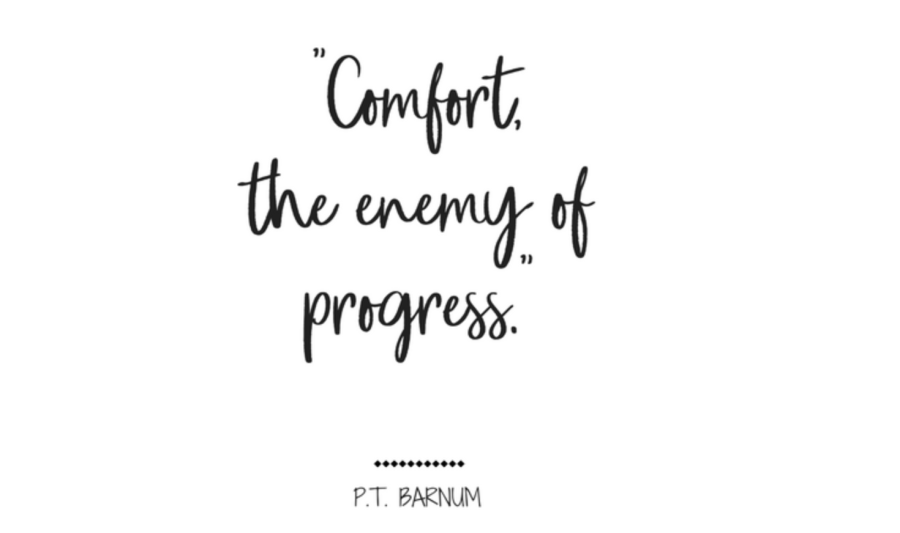
“Comfort – the enemy of progress” – P.T. Barnum

“Getting comfortable with feeling uncomfortable” – me

When I woke up this morning, I hung my feet over the side of the bed. The toes on my left foot were curled downward. (F#@k!)

I stood up, and the pain that I’ve been feeling for a couple of months now kicked in as soon as my foot hit the floor. I walked awkwardly into the bathroom and the pain soon disappeared.

But the curling thing is new and definitely unwelcome.

This is called Dystonia.


dysĀ·toĀ·niĀ·a: noun. a sustained or repetitive muscle twisting, spasm or cramp that can occur at different times of day and in different stages of Parkinson’s disease (PD); a common early symptom of young-onset Parkinson’s disease.


For close to a year, my left foot has been odd, awkward, unusual. My gait has changed somewhat and my foot no longer strikes the ground like it should…like it used to…like my right foot does.

PD is progressive. (Strange word choice because progress is usually a positive thing, but in the case of diseases, progressive is never a good thing!) And while I am aware that my condition will worsen over time, I don’t welcome any of these progressive changes.

I read. I learn. I try to figure out how to slow another symptom down…halting progress. This is what I found; ā€œPeople with PD most commonly complain of a painful dystonia of the foot on their more severely affected side. This usually occurs first thing in the morning, when dopamine levels are at their lowest as nighttime medications wear offā€ (parkinson.org).

At my last visit to my neurologist, we discussed my left foot. We talked about the potential need to add another pill (carbidopa/levodopa 25/100mg) before bedtime. Seems easy enough, but there are negative side effects to increasing PD meds and I have always been encouraged to stay on the lowest dose possible for as long as possible.

I somehow feel as though I will be losing if I start to take more meds…and I hate to lose!

I’m left with trying to figure out a balance between taking more meds to reduce dystonia or pushing a little further to prevent other issues from taking too much medication.

Maybe I just need to get comfortable with feeling uncomfortable for now.

MJFF – Dystonia
Parkinsons.org – Dystonia

Ā 


My New Ride

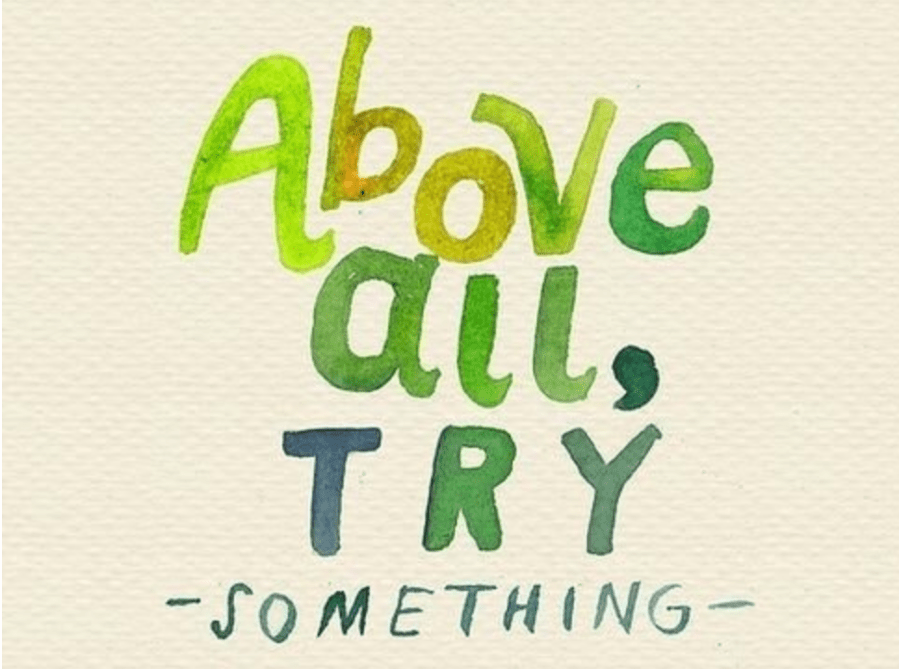
Modify. Adapt. Adjust. Shift gears…

While I really have a strong dislike for the words I can’t, I have come to realize that there are certain things that I shouldn’t do.

Riding my bicycle is one of those things. I have some left-side balance issues, left-side shoulder stiffness, weakness, and pain, and a new diagnosis of Osteoporosis (that’ll be another post!). So cycling just doesn’t seem like a safe thing for me to do. The risk of falling seems too great.

Could I? Yes.

Should I? Probably not…for now.

But my Parkinson’s brain has a distinct need for high-intensity interval exercise (read more here: Parkinson News today Oct. 2019).

So I need to modify. Adapt. Adjust. Shift gears…

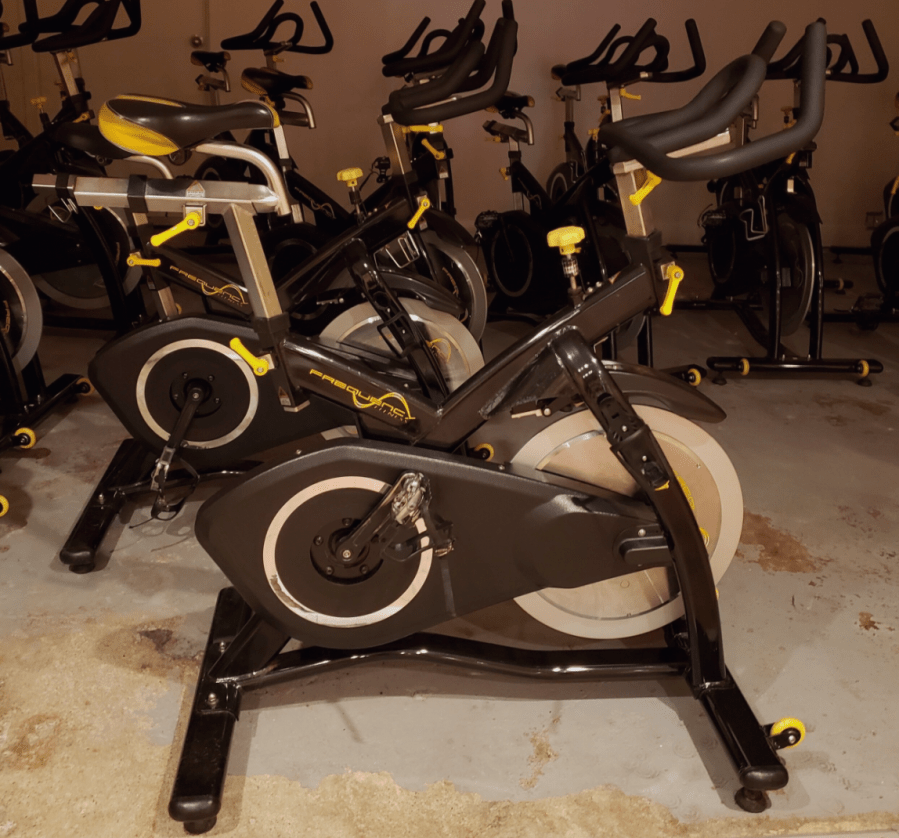
I found a Ride class at my Yoga Studio and I am loving it!

Ride: This indoor cycle class is a safe, sweaty place to elevate your cardiovascular fitness or simply put a fun spin on your cross-training! By adjusting the bike gears throughout the class to your specific needs, this class is accessible at any time. From gentle to powerful, get on the bike and ride! (BlissAnn Green Yoga).

While I would still prefer to be riding outside, this workout provides me with a much safer alternative and a social outlet as well.

Now…I just need to find a place where I can safely alpine ski!!

Stop and See the Roses

Losing my sense of smell was my first symptom of PD, although I didn’t know it!

Looking back, years before there was any sign of a tremor, I recall noticing that I was losing my ability to smell. It certainly didn’t happen overnight, but every now and then, someone would say;

ā€œEwww what’s that smell?ā€ or ā€œMmmm that smells good.ā€

And I would try to smell…and there would just be nothing?

I never thought anything of it. Now I know that it is one of the most common early symptoms among many people with Parkinson’s Disease.

It’s called Hyposmia (lessened sensitivity to odors) and it usually appears a few years before other symptoms. There is no treatment for it. And because smell is so closely connected to taste, it can affect your diet and lead to weight loss which could be problematic.

But when it comes to bad smells… I am so lucky!

When the odor of a skunk filters through the yard; I am so lucky!

When someone passes by me smoking a cigarette; I am so lucky!

When someone passes gas (I won’t name names); I am so lucky!

Let’s face it – there are a lot of unpleasant odours out there that I certainly don’t miss!

The only time I truly miss it is when someone points out how wonderful something smells and I realize I can’t experience the same feeling of joy. Flowers, puppy breath, fresh baked cookies, the salty air at the beach, a pine tree, a campfire, babies, etc.

But the brain is a wonderful thing and I believe that every now and then, my eyes fill in the gaps for my nose. My eyes have created ā€˜smell’ memories and when I see lilacs or roses, I can somehow retrieve the memory of how beautiful they smell. Doesn’t happen all the time, but when it does I enjoy it!

The Tip of the Iceberg

“What we see often is only a fractional part of what really is” – Unknown

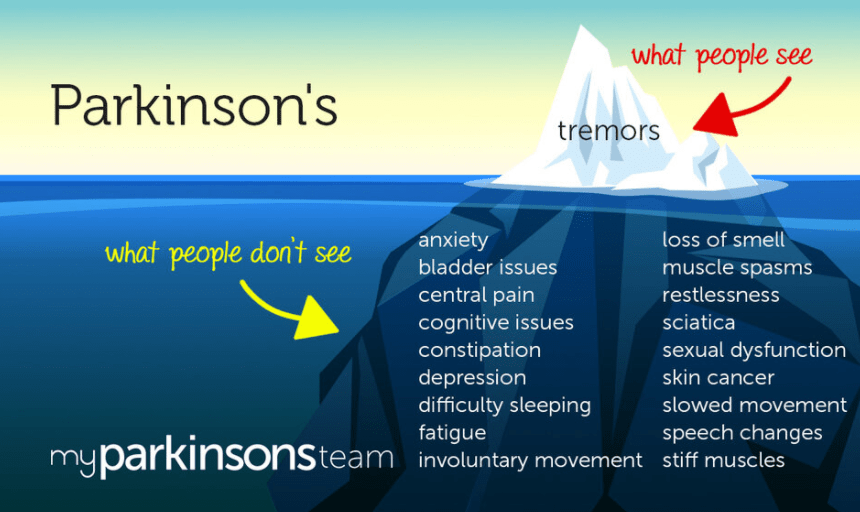
Parkinson’s Disease = Tremor.

Having a tremor is what most people think of when they hear about Parkinson’s Disease. I know I did.

It is the most visible of all symptoms but certainly not the worst symptom. There is so much more going on beneath the surface which makes PD very complex.

They say that if you know a person with PD, then you know one person with PD. No two are alike. Symptoms vary from person to person. But what we all share is that we are not just what you see on the outside.

Do I experience all of the symptoms that are on the infographic?

Thankfully, no.

Not yet.

Levodopa vs. Protein

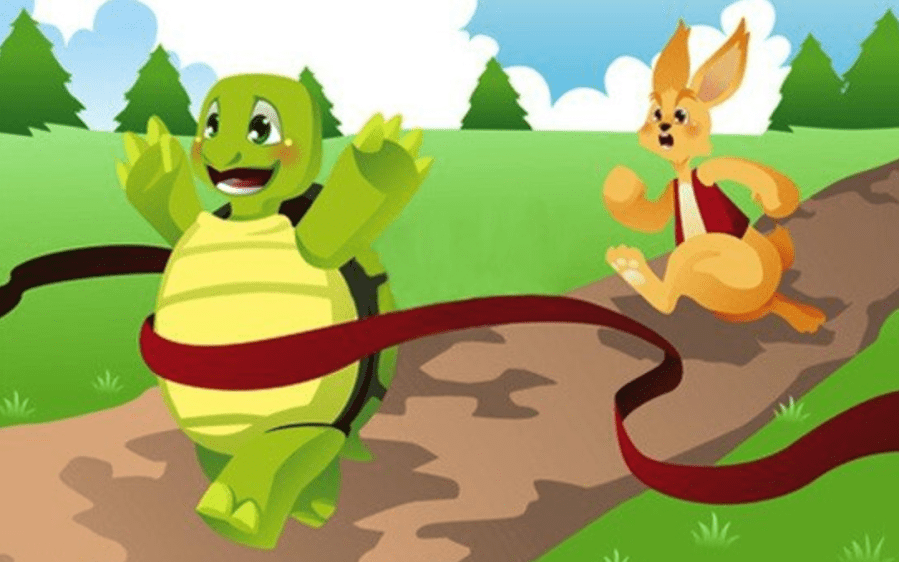
The great race to the brain. Timing your meds is very important!

The greatest thing about Levodopa is that it gets along very well with other meds. The worst thing about Levodopa is that it does not play well with protein. These two compete with one another in a vigorous race through the bloodstream to get to the brain…and Levodopa always loses. Once food and pills go into the digestive tract, protein (amino acids) are often the first in line to be absorbed which means less medication gets through.

So they need to be separated in order for levodopa to be effective.

Levodopa needs a solid 30-minute headstart to win the race (take meds 30 minutes before meals involving protein) or wait to take meds 2 hours after a meal when the lineup in the digestive tract has dispersed).

Many people take multiple levodopa pills throughout the day to get some symptom relief (I take 3). So this protein interaction can become a little complicated but it is really important to make a plan for optimal absorption.

I have a timer set on my phone to remind me to take my pills and this is set for 30 minutes prior to mealtime.
For more info click the link here: Levodopa and Protein Medication Absorption